In a competitive market, the top LED strip light manufacturers differentiate themselves through rigorous quality control processes. Quality in LED lighting is not just about brightness; it involves durability, color accuracy, and energy efficiency. This article explores how premier manufacturers ensure that their LED strip lights stand out by adhering to stringent quality standards.
Strict Material Selection
The foundation of high-quality LED strip lights lies in the selection of superior materials. The best LED strip light manufacturers use high-grade aluminum for the strips, ensuring excellent heat dissipation and longevity. For the LEDs themselves, manufacturers often choose chips from reputable suppliers like Cree or Nichia, known for their efficiency and color fidelity. Manufacturers also use high-purity copper in the wiring, which reduces the risk of power losses and increases the overall lifespan of the strip lights. For example, a leading manufacturer might specify the use of 99.9% pure copper, which minimizes resistance and maximizes conductivity.Advanced Manufacturing Processes
Leading manufacturers leverage cutting-edge manufacturing technologies to enhance the quality of their LED strips. This includes automated soldering processes that ensure consistent, strong connections between the LEDs and the strip, which are critical for the long-term reliability of the lights. Automation also minimizes human error, leading to a more consistent product. For instance, some top manufacturers employ precision SMT (Surface Mount Technology) equipment that can place LEDs with an accuracy of up to 0.02 millimeters. This precision is crucial for achieving uniform light distribution and preventing 'hot spots' or dim areas along the strip.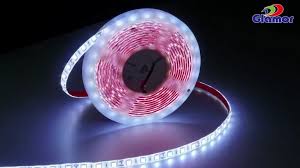
Rigorous Testing Protocols
To guarantee the performance and durability of LED strip lights, exhaustive testing is essential. Quality assurance involves several tests:- Temperature Testing: Ensuring the LED strips can operate effectively in extreme temperatures, typically ranging from -20°C to 50°C.
- Lumen Maintenance Testing: Monitoring how well the light maintains its brightness over time. High-quality LED strips retain at least 90% of their luminosity after 6,000 hours of continuous use.
- Color Accuracy: Using spectrometers and colorimeters to ensure each batch of LEDs does not deviate from the desired color temperature, usually within a 3-step MacAdam ellipse, which is a standard for color consistency.